
In naming its former head of manufacturing, Oliver Zipse, as its new CEO, BMW is doubling down on its strategy of building electric versions of its mainstream cars, rather than a separate line of EVs.
Zipse, who will take over August 16, when current CEO Harald Krueger steps down, is credited with developing the new strategy after the company lost billions of dollars developing a separate line of EVs in an effort to take an early lead with new technology.
BMW’s early EVs, the i3 and i8, had bodies made of carbon fiber designed to offset the additional weight of large battery packs and to minimize the amount of batteries needed to get the vehicles moving. The i3 remains the largest production effort for vehicles with a carbon-fiber structure to date.

BMW X3 xDrive30e
With the i3 and i8, BMW became an early leader in electric cars, introducing the i3 in 2014 and the i8 in 2015, along with laying plans to develop a support network of car-sharing programs, charging infrastructure, and apps to support them.
Although little of the surrounding infrastructure came to be, critics have charged that the company squandered that early lead when it ceased developing new dedicated EVs after those models, and focused instead on developing slow-selling, short-range plug-in versions of its existing sedans and SUVs.
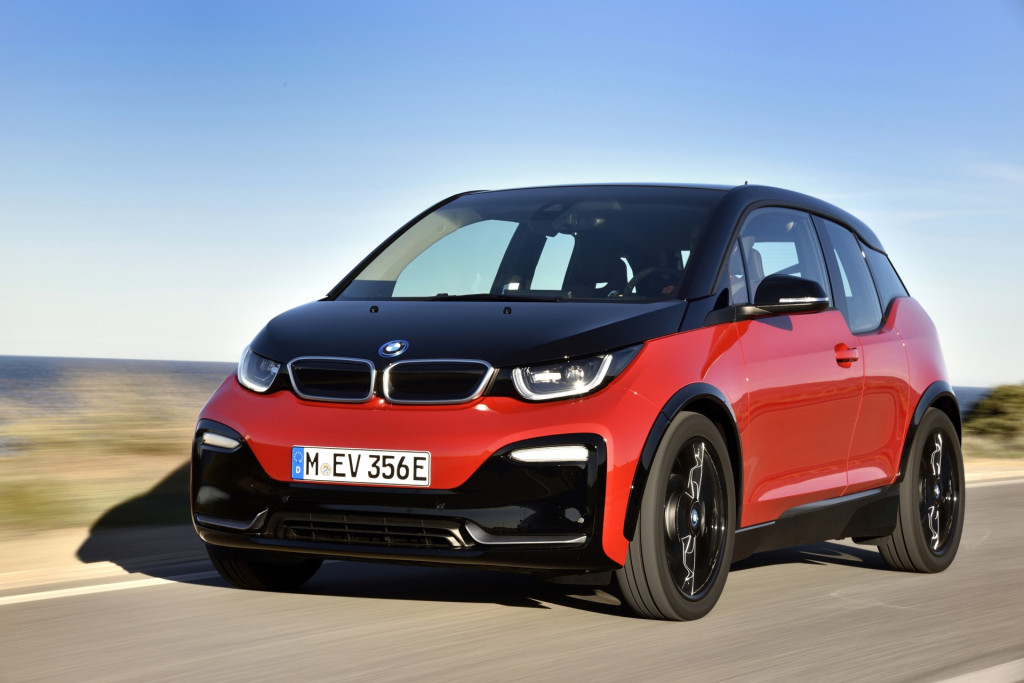
2018 BMW i3s
BMW’s latest strategy, birthed by Zipse, gives the company more flexibility to produce electric cars on the same assembly lines as internal-combustion and plug-in hybrid versions, in case demand for electric cars doesn’t materialize, according to a Bloomberg report. To that end, it has built its battery production facility inside its main car factory in Dingolfing
It also saves billions of dollars in engineering as the company faces the need to develop new self-driving cars alongside new electric powertrains and the surrounding support infrastructure.
According to its latest plans, BMW expects to build 25 new plug-in models, including 13 all-electric cars by 2023, the first of which will be the all-new 2020 Mini Cooper SE.
In self-driving cars, as well as developing a surrounding electric-car ecosystem, BMW has partnered with cross-town arch-rival Daimler.


